
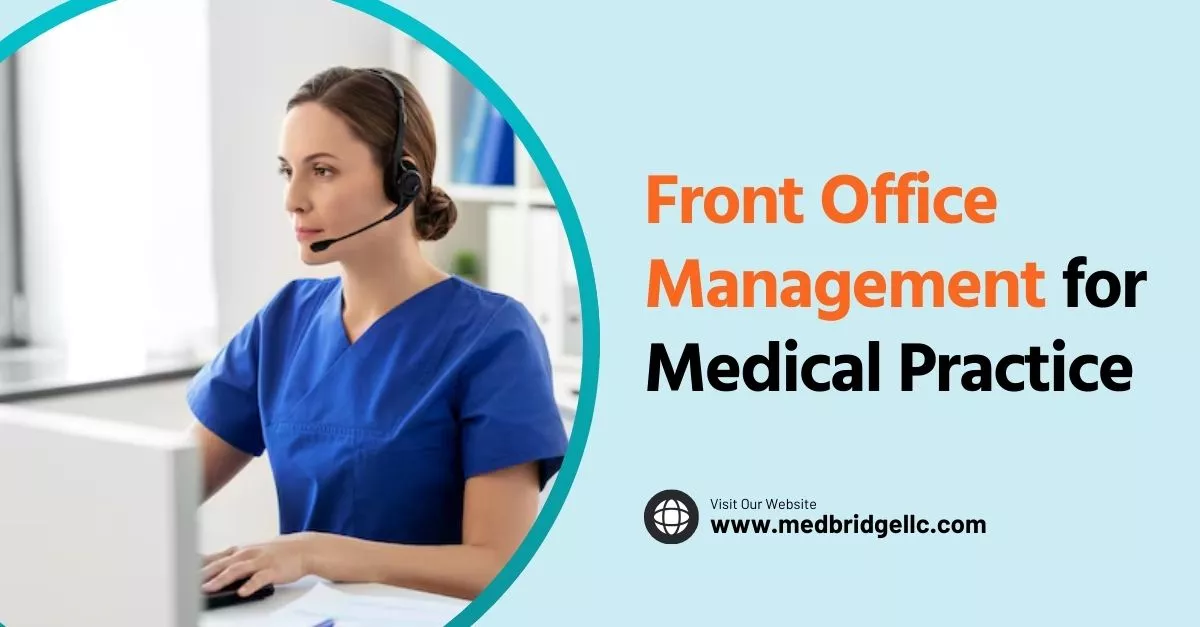

A patient’s first interaction with your medical practice isn’t with a physician it’s with your front office. That first point of contact sets the tone for the entire experience, and, most importantly, can make or break your revenue cycle efficiency. In many practices, small front-office inefficiencies, inaccurate data entry or slow verification quietly drain thousands of dollars each month.
Many clinics underestimate how small mistakes in the front desk process affect the medical practice revenue cycle. A wrong code. A missed eligibility check. Even a small delay in data entry can slow down payments. Front office staff are the first line of defense for revenue cycle efficiency. When they get things right from the start everything after that runs more easily.
Let’s walk through a few simple but powerful best practices that can help your front office boost performance and reduce revenue leakage.
Streamlined Patient Registration
The patient registration process is where everything begins. If the information collected at this stage isn’t accurate the billing team will face rejections later. Front desk staff should confirm insurance details every single time a patient visits. Even returning patients might have new plans or ID numbers.
A good tip is to use an electronic form system instead of paper. Patients can fill out details on tablets or online before their appointment. This saves time and cuts down on data entry errors. Clinics that have switched to digital registration say they’ve seen fewer denied claims because of incomplete information.
For example one small orthopedic clinic in Arizona noticed a 20 percent drop in claim rejections after moving to a structured digital registration workflow. It didn’t cost much either just better planning and clear staff roles. That’s the power of getting the basics right.
Efficient Appointment Scheduling
Appointment scheduling might sound simple but it plays a big role in healthcare revenue cycle efficiency. Double bookings no-shows and unconfirmed visits all affect daily collections.
Front office staff should confirm appointments at least 24 hours ahead. Automated reminders through text or email make this easier. Many medical office management systems include built-in reminders that save time.
Efficient scheduling also means knowing which appointments bring more revenue or need longer time slots. For instance follow-up visits might take less time and can be grouped together while new patient consultations may need longer blocks. Smart scheduling keeps providers busy and reduces gaps in their day.
A good example is a family practice in Ohio that started tracking appointment types. They realized half their missed appointments were from new patients who never received confirmation messages. Once reminders were added missed visits dropped by 40 percent.
Accurate Billing and Coding at Entry Point
Front desk teams often handle coding or at least enter charge data before it moves to the billing department. This stage is critical. Wrong codes or missing modifiers can cause payment delays.
Training the front desk on basic coding and insurance policies saves time later. Even a short refresher every few months helps. When staff know what data billing needs they collect it right the first time.
Accuracy at the entry point also means capturing copays upfront. Patients are more likely to pay when asked during check-in. Having clear communication about financial policies sets expectations early.
Think about it like this if a clinic collects $25 copays from just 10 patients a day that’s $250 daily. If they miss half of those that’s thousands lost each month. Consistency here really adds up.
Staff Training and Accountability
Good front office management depends on skilled people. The best systems won’t help if staff aren’t trained to use them properly. Ongoing training keeps everyone updated on policy changes and technology updates.
One effective idea is to create small weekly review sessions. The team can discuss common errors and learn how to avoid them. It doesn’t have to be formal or long just consistent.
Accountability also matters. Every task in the front office should have an assigned owner. One person verifies insurance another confirms appointments and someone else handles payments. Clear roles reduce confusion and ensure nothing gets missed.
A multi-provider clinic in Florida saw major improvements after setting role checklists. Each person knew exactly what they were responsible for. Within two months claim accuracy jumped by 15 percent.
Leveraging Technology for Front Office Efficiency
Technology is changing how medical offices operate. Using the right tools can make your medical practice’s revenue cycle smoother from start to finish.
Practice management software now integrates with billing systems eligibility checks and even patient reminders. This reduces manual work and errors. When staff enter patient data once it flows through the system automatically saving hours each week.
Telehealth scheduling online payments and digital intake forms are all part of modern medical office management. They help staff focus more on patients and less on paperwork.
For example a clinic in Texas added an automated insurance verification tool that checks eligibility in seconds. What used to take 10 minutes per patient now takes less than one. Over time that’s dozens of hours saved each month and faster billing turnaround.
If your office still uses spreadsheets or paper logs it may be time to upgrade. The investment pays off quickly through better accuracy and happier patients.
Conclusion
Strong front office management is the foundation of an efficient and profitable clinic. It starts with small daily habits verifying patient details confirming appointments and collecting payments on time. Each step plays a big part in the larger medical practice revenue cycle.
By focusing on streamlined registration accurate data entry trained staff and the right technology your clinic can see better cash flow and fewer billing issues. Remember every dollar collected faster keeps your business healthy and lets you focus on what matters most your patients. If your practice needs help improving front office workflows or optimizing your healthcare revenue cycle efficiency consider working with a professional billing and management partner like Med Bridge LLC. Their team helps practices simplify front-end operations and build stronger revenue results.