Dermatology Medical Billing Services
Med Bridge LLC handles dermatology medical billing for dermatologists, Mohs surgeons, and skin care clinics, with accurate CPT/ICD-10 coding, medical necessity documentation, and denial recovery. Get a free billing analysis.
Dermatology billing runs on volume, and volume hides mistakes. A quick lesion destruction here, a biopsy there, an E/M visit tacked on at the end — and half of it gets coded wrong because nobody documented the size, the site, or the reason it was medically necessary. Then the cosmetic versus medical line gets blurred, and payers start denying claims. Med Bridge LLC takes the whole dermatology revenue cycle off your plate, from eligibility checks through denial appeals, so your practice gets paid for the medical work it does.
Schedule Your Free Demo
Increase your dermatology practice’s collections with accurate, reliable billing. Talk to a dermatology billing specialist today.
Dermatology Medical Billing & Coding Services
Med Bridge LLC
Dermatology Billing Service Specifications
Complete field-by-field overview for dermatology practices
| Service Type | Dermatology Medical Billing & Revenue Cycle Management |
|---|---|
| Practices Served | Independent dermatologists, dermatology group practices, Mohs surgery practices, dermatopathology labs, cosmetic and medical dermatology clinics, teledermatology practices, multi-specialty groups with dermatology focus |
| Services Covered | Office E/M visits, skin biopsies, lesion destruction, cryotherapy, Mohs micrographic surgery, excisions with margins, wound repairs, phototherapy, patch testing, acne and psoriasis management, biologic therapy, teledermatology visits |
| Coding Systems | CPT, ICD-10, HCPCS including lesion size and site coding, excision margin measurement, Mohs codes (17311–17315), modifiers 25, 50, 59, RT/LT, and medical necessity documentation |
| Pricing | Percentage of collections no hidden fees, no setup charges |
| EHR/PMS Compatibilit | Epic, Cerner, ModMed, eClinicalWorks, athenahealth, NextGen, Allscripts, Nextech |
| Compliance | HIPAA-compliant, SOC 2 Type II certified |
98.1%
Clean Claim Rate
22
Days Avg. A/R
3.7%
Denial Rate
48-hour
Claim Turnaround
Contact: Mon–Fri, 8 AM–6 PM CT | (888) 378-7709
Get a Free Billing Analysis
What Is Dermatology Medical Billing?
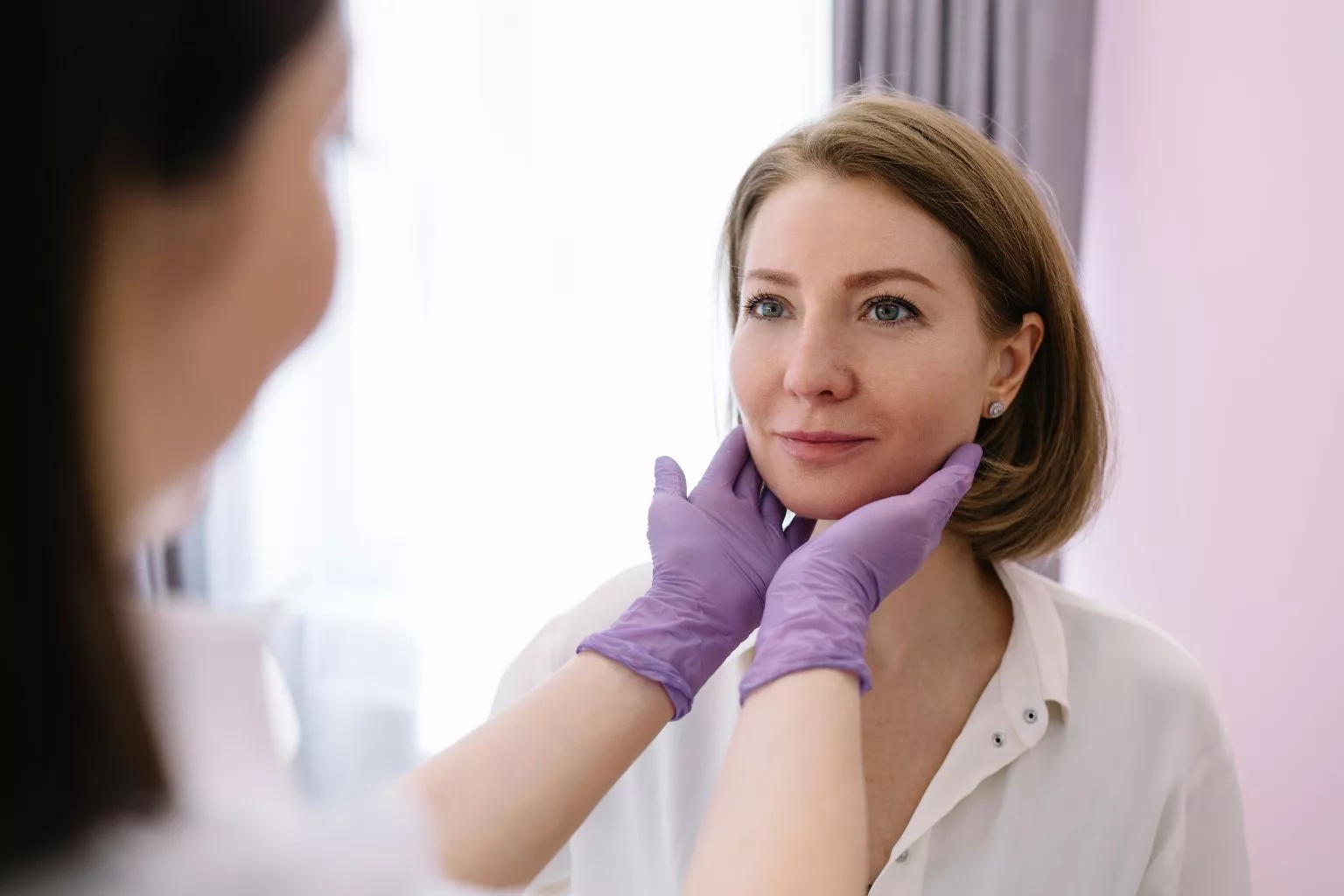
Dermatology medical billing services cover the full revenue cycle for skin care practices: eligibility verification, charge capture, CPT/ICD-10/HCPCS coding, claim submission, payment posting, and denial management.
Specialized Dermatology Services
Lesion Size and Site Documentation
Destruction, excision, and biopsy codes depend on lesion size, site, and whether margins were taken. A 0.5 cm lesion and a 2.5 cm lesion bill differently. If the size isn't documented, the claim may not hold up.
Excision Margin Measurement
Excision codes require documented lesion diameter plus margin width. The two measurements are used for code selection. Missing or incorrect margin documentation can lead to undercoding, overcoding, or payment issues.
Mohs Micrographic Surgery Coding
Mohs codes (17311–17315) are based on stages, blocks, and anatomic site. Each stage has specific documentation requirements, making Mohs billing a specialized area within dermatology.
Medical Versus Cosmetic Distinction
Dermatology claims often require strong medical necessity documentation. Acne treatment, laser therapy, and certain lesion removals may fall on the cosmetic line. Documentation must clearly support the medical reason for covered services.
Biopsy and Pathology Component Splits
When a dermatology practice sends a specimen to an outside pathology lab, professional and technical components may be split. When laboratory services are performed in-house, the coding workflow changes.
Same-Day E/M and Procedure
When a dermatologist performs a procedure during an office visit, modifier 25 may apply when the E/M service is separately identifiable and properly documented.
Biologic Therapy and Prior Authorization
Psoriasis and atopic dermatitis biologics may require prior authorization tied to clinical criteria, failed prior therapies, and documented severity. Tracking authorizations helps prevent treatment interruptions and billing delays.
Payer Rules Change Every Year
Dermatology coding updates annually, while payer requirements for biopsies, Mohs procedures, biologics, and other services can change over time.
Our Dermatology Revenue Cycle Management Process
Every claim goes through a six-step process designed to prevent denials before they happen.

Eligibility & Insurance Verification
We check coverage, co-pays, deductibles, and prior authorization requirements before the patient arrives. Cosmetic coverage and biologic benefits are verified separately where needed.

Charge Capture
Every service including E/M visits, biopsies, destructions, excisions, Mohs stages, phototherapy, and patch testing — is converted into billable line items with the required documentation.

Dermatology-Specific Coding
Certified coders apply CPT, ICD-10, and HCPCS codes with attention to lesion size and site, excision margins, Mohs stages and blocks, modifier 25, and other applicable modifiers.

Claim Scrubbing & Submission
Before submission, claims are reviewed for missing size documentation, margin errors, Mohs stage mistakes, medical necessity gaps, NCCI edits, and modifier problems. Clean claims are submitted within 24 hours.

Payment Posting and Remittance Reconciliation
ERA/EOB posting is matched against expected reimbursement. Underpayments on surgical and Mohs claims are identified and appealed when appropriate.

Denial Management & Appeals
Denials are worked within 24–48 hours. Appeals include clinical documentation, coding rationale, and regulatory citations. Denial trends are tracked to identify and correct recurring issues.
Dermatology Procedure & Specialty Coding Depth
Each dermatology procedure family has its own coding and documentation requirements.
Skin Biopsy Billing
Punch, shave, and excisional biopsies have different coding requirements. Site and technique must match the documentation.
Excision & Margin Billing
Excision codes require documented lesion diameter and margin width. Accurate measurements support correct coding.
Wound Repair & Closure Billing
Code repairs according to length, complexity, and anatomic site.
Biologic Therapy Billing
Psoriasis and atopic dermatitis biologics may require prior authorization and J-code billing where applicable. Med Bridge LLC manages the related authorization and billing workflow.
Phototherapy & Patch Testing Billing
Phototherapy and patch testing have frequency limits and documentation requirements that must be met for proper reimbursement.
Lesion Destruction & Cryotherapy Billing
Destruction codes depend on lesion type, size, and whether the lesion is benign or premalignant.
Mohs Micrographic Surgery Billing
Mohs billing is based on stage, block, and anatomic site. Each stage requires appropriate documentation.
Teledermatology Billing
Teledermatology claims require appropriate POS coding and modifier 95 usage, with payer and state rules monitored as they change.
Dermatology Billing Results and Performance Metrics
These numbers come from our active dermatology clients. We don't publish wishful benchmarks we publish results.
0
Days
Average Days in A/R
0
Hours
Claim Turnaround Time
0
%
Clean Claims Rate
16- 0
%
Average Collections Increase
0
%
Denial Rates
0
%
Prior Authorization Approval
0
%
Payment posting accuracy
0
%
First-pass acceptance rate
Prior Authorization & Compliance
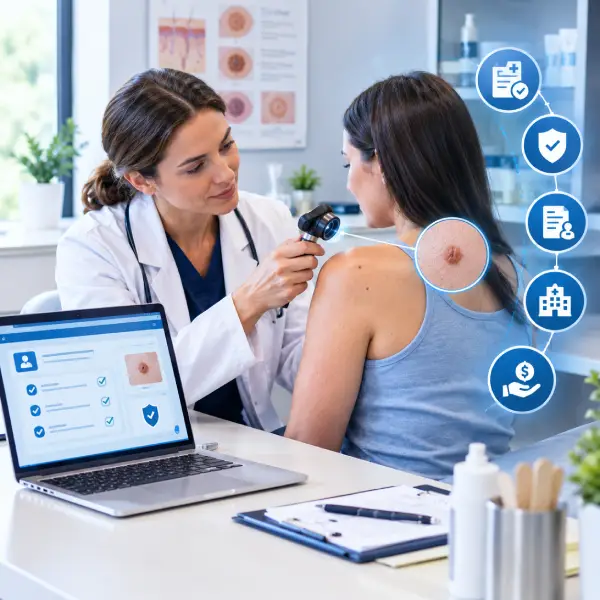
Prior authorization is especially important for biologics and Mohs surgery, where individual claims can involve significant reimbursement.
Services That Commonly Require Prior Authorization
Biologic therapy for psoriasis and atopic dermatitis
Mohs micrographic surgery
Phototherapy with some payers
Advanced imaging such as MRI and CT
Cosmetic-adjacent procedures with some payers
How We Handle Prior Authorization
Real-time eligibility and authorization tracking
Prior authorization requests submitted with required documentation
Re-authorization tracking for ongoing biologic therapy
Follow-up on pending authorizations
Compliance with the CMS Interoperability and Prior Authorization final rule for applicable turnaround requirements
Compliance Monitoring
HIPAA-compliant workflows and data security
Documentation audits for lesion size, margin measurement, and modifier 25
Payer-specific rule tracking for biopsies, Mohs, and biologics
Annual coder training on CPT updates and dermatology coding changes
Why Med Bridge LLC for Dermatology Billing Services?
Dermatology-Specific Certified Coders
Our coders are certified (CPC, CCS) and work with dermatology billing requirements, including lesion size coding, margin measurement, Mohs staging, and medical necessity documentation.
Faster Reimbursement
98.1% clean claim rate, 22-day average A/R, 48-hour claim turnaround These performance metrics are reported across 250+ dermatology providers.
Data Security & Compliance
SOC 2 Type II certified and HIPAA-compliant, with audit trails and regular reporting.
Scales With Your Practice
Whether you are a solo dermatologist, multi-location group, or Mohs surgery center, Med Bridge LLC workflows can scale with practice.
In-House vs. Outsourced Dermatology Billing
| Cost Category | In-House Billing | Med Bridge LLC Outsourced |
|---|---|---|
| Biller salary + benefits | $50,000–$70,000 / year | — |
| Billing software + clearinghouse | $7,000–$15,000 / year | Included |
| Dermatology Coding Training | $3,000–$6,000/year | Included |
| Denial write-offs | 6–11% of revenue | 3.7% denial rate |
| Total annual cost | $65,000–$100,000+ | Percentage of collections no hidden fees |
| Net annual savings | — | $30,000–$60,000+ |
Frequently Asked Questions
Dermatology involves lesion size and site coding, excision margin measurement, Mohs staging and blocks, distinguishing medical from cosmetic, splitting biopsy components, and same-day E/M modifier 25 rules.
Yes. Med Bridge works with independent dermatologists, dermatology groups, Mohs surgery practices, dermatopathology labs, and clinics providing both medical and cosmetic services.
Monthly dashboards can include clean claim rate, A/R days, denial rate by payer, claim turnaround time, medical necessity denial rate, and collections by procedure. Ad-hoc reports can also be provided for specific payers or procedure categories.
Denials are worked within 24–48 hours. Appeals include clinical documentation, coding rationale, and regulatory citations. Denial reasons are tracked to identify recurring problems.
Med Bridge works with Epic, Cerner, ModMed, eClinicalWorks, athenahealth, NextGen, Allscripts, and Nextech.
Pricing is structured as a percentage of collections. The supplied content states there are no setup fees, software fees, or hidden charges.
Med Bridge tracks payer authorization requirements, submits requests with supporting clinical documentation, and monitors re-authorization deadlines for ongoing treatment.
Most practices are fully onboarded within 30–45 days. The transition may include EHR access, payer enrollment, medical-necessity templates, and dermatology coding configuration.